
MOKANEX · PITTSBURGH & SURROUNDING COMMUNITIES
Mobile EVAP System Diagnosis in Pittsburgh, PA
Mokanex provides mobile EVAP system diagnosis in Pittsburgh for leak codes, purge problems, vent faults, and emissions-related check engine lights.
Request service ↗
Signs You May Have an EVAP System Problem
Common emissions symptoms we diagnose
(01)
Emissions Symptom
Check Engine Light
EVAP system faults commonly trigger check engine light codes related to leaks, purge flow, vent operation, or pressure changes in the fuel vapor system.
(02)
Fuel Smell Around the Vehicle
A damaged hose, loose connection, leaking component, or fuel vapor issue can create a noticeable fuel smell. The source should be identified before parts are replaced.
(03)
Failed Emissions Test
An EVAP-related fault can cause emissions readiness problems or a failed inspection even when the vehicle appears to run normally. Proper diagnosis helps locate the actual fault.
1. Trouble Code Scan
1. Initial Scan
EVAP System Codes
1. Stored and pending trouble codes are reviewed for EVAP leak, purge, vent, pressure, and flow-related faults.
1. The code helps identify the system area that requires further testing.
2. Visual Leak Inspection
2. System Check
EVAP Hoses & Connections
2. Accessible vapor hoses, fittings, connectors, and related components are checked for cracks, disconnections, or visible damage.
2. Even a small leak can trigger an EVAP-related fault code.
3. Purge Valve Check
3. Component Test
EVAP Purge System
3. Purge valve operation may be tested when the code or symptoms indicate incorrect vapor flow into the engine.
3. A purge valve that sticks open or closed can create drivability or emissions problems.
4. Vent & Leak Testing
4. Diagnostic Test
EVAP Leak Detection
4. Vent operation and system sealing may be tested using appropriate diagnostic methods when a leak is suspected.
4. Smoke or pressure-based testing may be used when necessary to locate small leaks.
5. Diagnostic Results
5. Final Check
Repair Recommendation
5. Once the fault is confirmed, the appropriate repair can be recommended based on the failed hose, valve, sensor, or other component.
5. The goal is to repair the actual EVAP fault instead of replacing parts based only on a trouble code.
Mobile EVAP System Inspection & Diagnosis
Finding leaks and control faults before replacing parts
What You Get
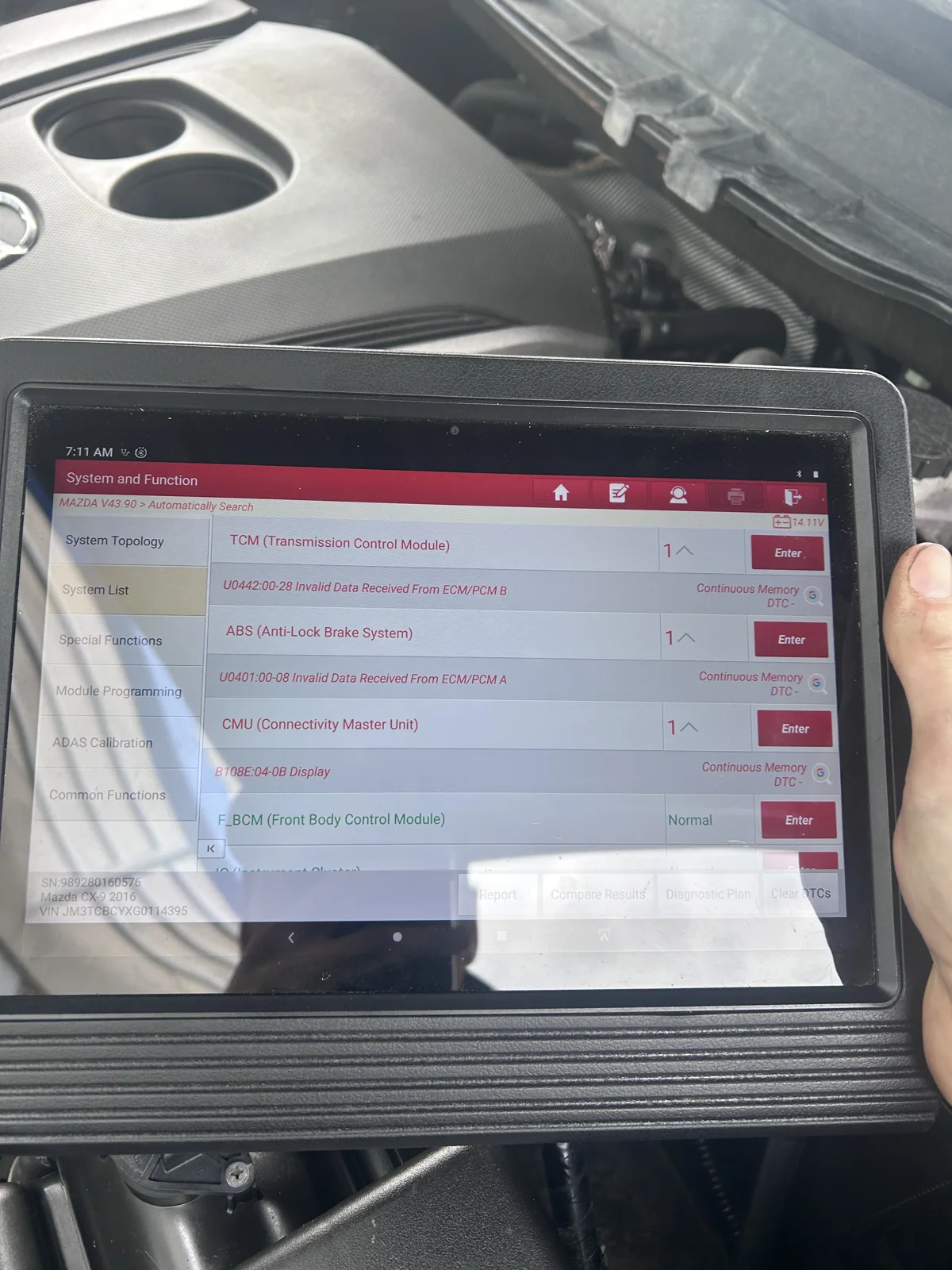
Mobile EVAP system diagnosis from Mokanex
01
On-Site EVAP Diagnosis
Mokanex can diagnose many EVAP system and emissions-related concerns at your home, workplace, or vehicle location.
02
Computer Diagnostic Scan
EVAP-related trouble codes and system data are reviewed to help narrow down the affected area.
03
Hose & Connection Inspection
Accessible vapor lines, fittings, caps, and connections are checked for obvious leaks or damage.
04
Valve & Circuit Testing
Purge valves, vent valves, wiring, and related control circuits may be tested when indicated by the fault.
05
Leak Testing When Needed
Appropriate leak-detection methods may be used to locate EVAP leaks that are too small to find through visual inspection alone.
06
Convenient Mobile Diagnosis
Mokanex brings EVAP system diagnosis directly to customers throughout the Pittsburgh service area whenever the necessary testing can be safely completed mobile.
Common EVAP system questions
EVAP System Diagnosis FAQ
What Causes an EVAP Check Engine Light?
(01)
Common causes include loose or damaged fuel caps, cracked vapor hoses, failed purge valves, vent valve problems, leak-detection faults, and other vapor-system leaks.
Can a Loose Gas Cap Cause an EVAP Code?
(02)
Yes. A loose, damaged, or poorly sealing fuel cap can prevent the EVAP system from holding pressure and may trigger a leak-related code on some vehicles.
Can an EVAP Problem Be Diagnosed at My Location?
(03)
Many EVAP concerns can be diagnosed at a home, workplace, or vehicle location using scan data, component testing, and appropriate leak-detection methods.
Does an EVAP Code Mean I Need a New Purge Valve?
(04)
No. EVAP codes can be caused by hoses, vent valves, wiring, fuel caps, leak-detection components, sensors, or other faults. The system should be tested before parts are replaced.
