
MOKANEX · PITTSBURGH & SURROUNDING COMMUNITIES
Mobile Engine Noise Diagnosis in Pittsburgh, PA
Hear a ticking, knocking, rattling, or unusual engine noise? Mokanex provides mobile engine noise diagnosis throughout Pittsburgh.
Request service ↗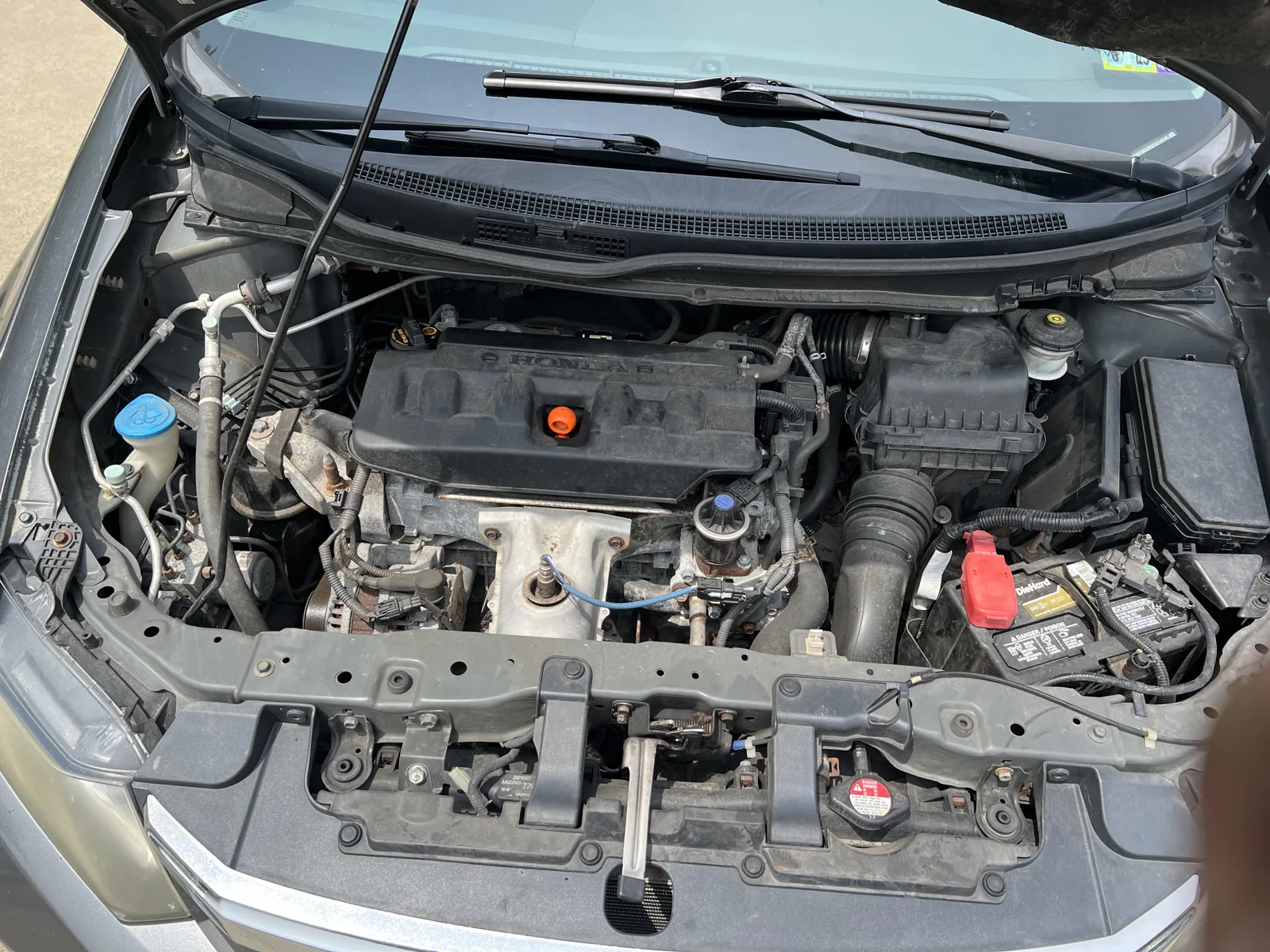
Common Engine Noises We Diagnose
Finding the source before replacing parts
(01)
Engine Noise
Ticking or Tapping
Ticking or tapping can come from valvetrain components, injectors, low oil level, exhaust leaks, or other engine-related sources. The sound and operating conditions help narrow down the cause.
(02)
Knocking or Rattling
Knocking or rattling may come from internal engine wear, timing components, accessory-drive parts, combustion problems, or loose components. Diagnosis is needed before assuming internal engine damage.
(03)
Squealing or Grinding
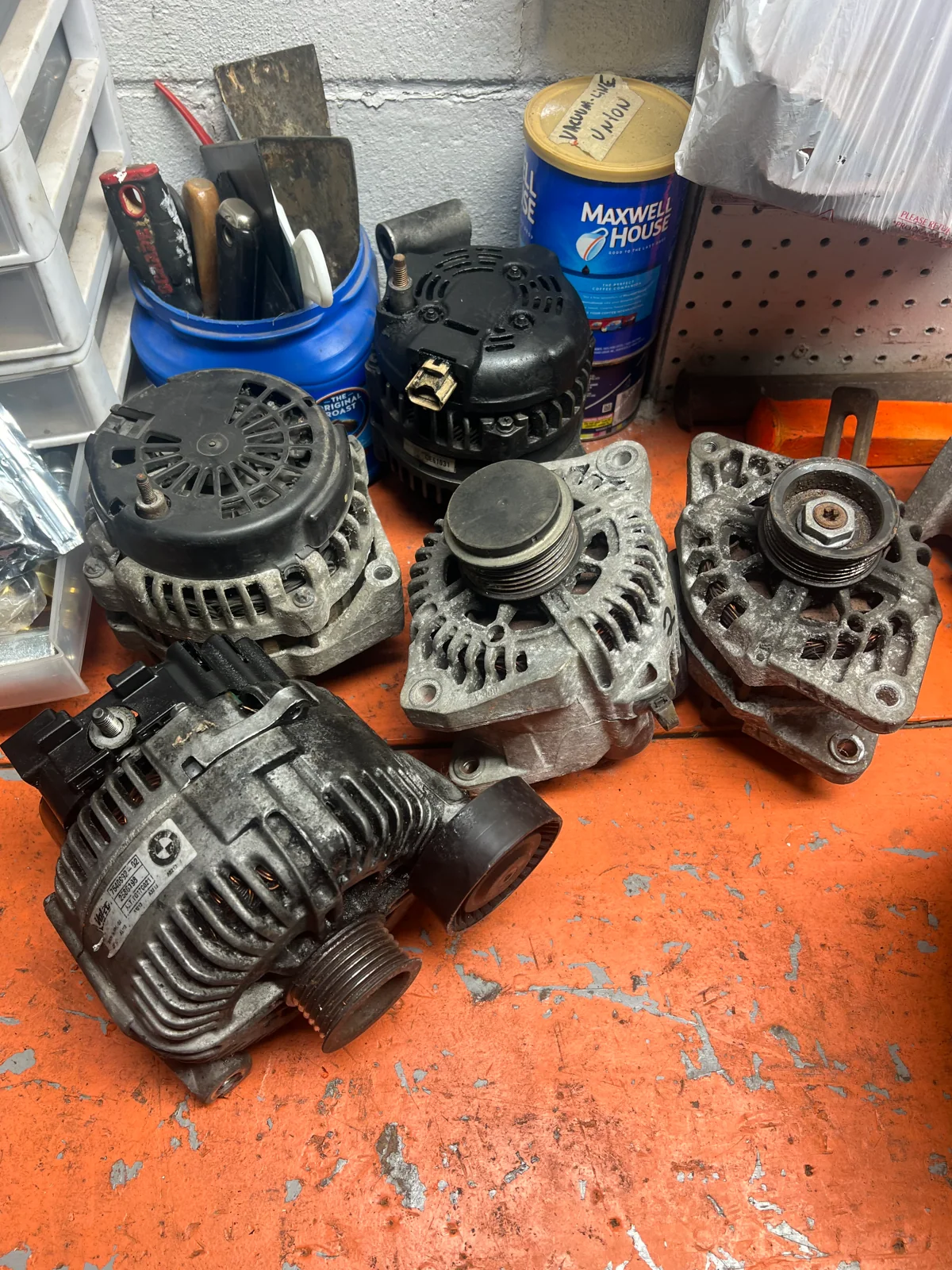
Squealing, grinding, or growling from the engine bay can come from belts, tensioners, pulleys, alternators, water pumps, or other rotating accessories.
1. Noise Verification
1. Initial Check
Engine Operation
1. The noise is evaluated during the conditions when it is most noticeable, such as idle, acceleration, startup, or engine warm-up.
1. When and how the sound occurs can provide important clues about its source.
2. Oil Level & Condition
2. Lubrication Check
Engine Oil
2. Engine oil level and condition may be checked because low oil or lubrication problems can contribute to abnormal engine noise.
2. Oil-related concerns should be addressed before continued operation causes additional wear.
3. Accessory Drive Check
3. Component Check
Belts & Pulleys
3. Serpentine belt components, pulleys, tensioners, and accessories may be checked for bearing noise, looseness, or improper operation.
3. Accessory-drive noise can sometimes sound like an internal engine problem.
4. Engine & Exhaust Check
4. System Check
Mechanical Components
4. Accessible engine, timing, exhaust, and mounting areas may be inspected based on the location and type of noise.
4. This helps separate internal engine sounds from external mechanical or exhaust-related noise.
5. Diagnostic Results
5. Final Check
Repair Recommendation
5. Once the likely source is identified, the appropriate repair or additional testing can be recommended.
5. The goal is to diagnose the actual source of the noise instead of replacing parts based on sound alone.
Mobile Engine Noise Inspection & Diagnosis
Tracing the sound to the correct system
What You Get
Mobile engine noise diagnosis from Mokanex
01
On-Site Noise Diagnosis
Mokanex can evaluate many engine and engine-bay noises at your home, workplace, or vehicle location.
02
Noise Source Evaluation
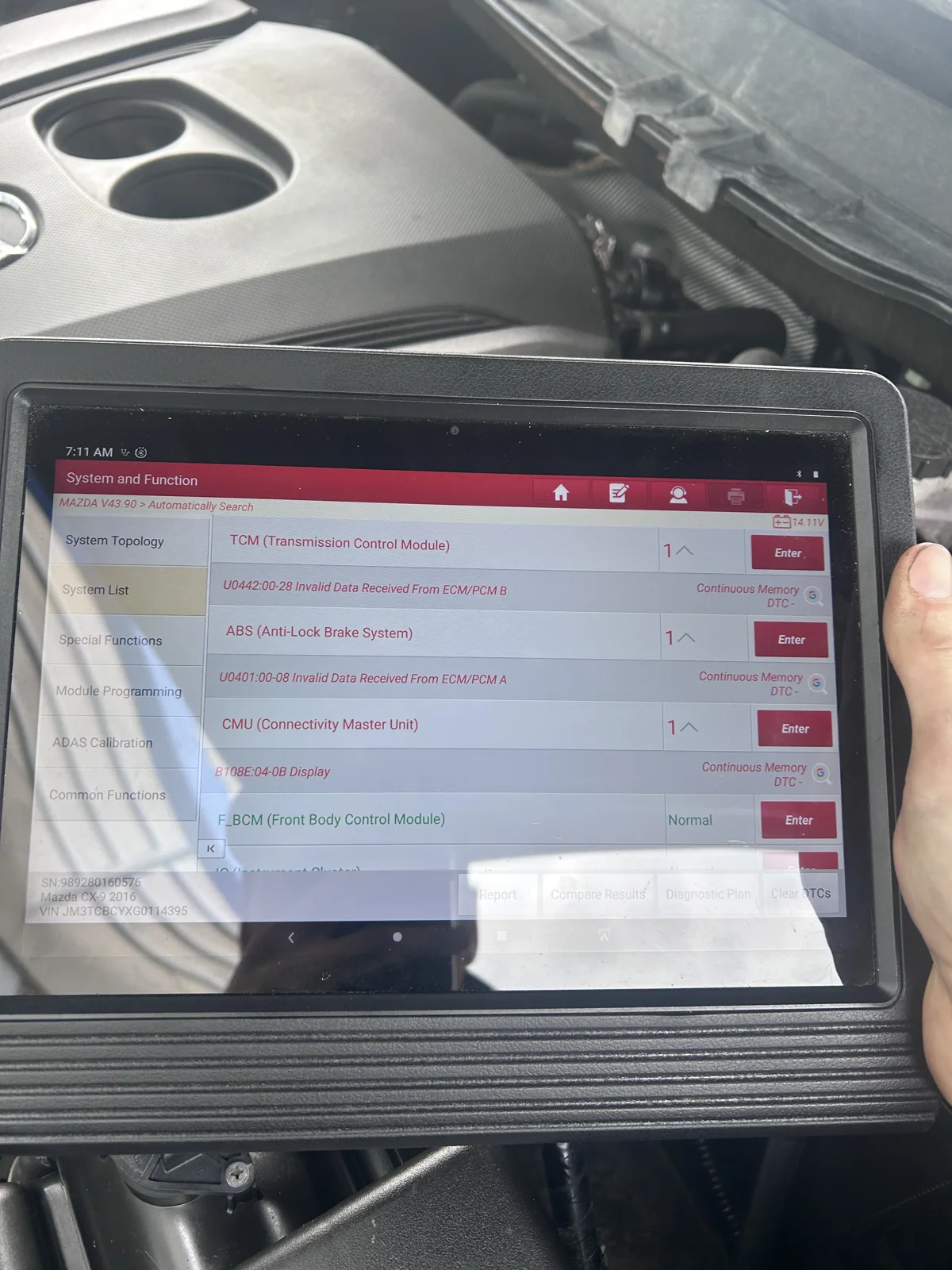
The location, tone, frequency, and operating conditions of the noise are used to help narrow down the affected system.
03
Accessory Drive Inspection
Belts, tensioners, pulleys, and rotating accessories may be checked when the noise comes from the front or side of the engine.
04
Mechanical System Check
Engine, timing, exhaust, lubrication, and mounting concerns may be considered based on the type and location of the sound.
05
Cause-Based Repair Plan
Once the source is identified, Mokanex can explain what is causing the noise and recommend the appropriate next repair or testing step.
06
Convenient Mobile Diagnosis
Mokanex brings engine noise diagnosis directly to customers throughout the Pittsburgh service area whenever the necessary inspection can be safely completed mobile.
Common engine noise questions
Engine Noise Diagnosis FAQ
What Causes a Ticking Engine Noise?
(01)
Possible causes include valvetrain operation, fuel injectors, low oil level, exhaust leaks, timing components, or other mechanical conditions. Diagnosis is needed to determine the source.
Does Knocking Always Mean the Engine Is Bad?
(02)
No. Knocking or rattling can come from several systems, including internal engine components, timing parts, accessories, exhaust components, or combustion-related problems.
Can Engine Noise Be Diagnosed at My Location?
(03)
Many engine noises can be evaluated at a home, workplace, or vehicle location through inspection, listening tests, scan data, and component checks.
Should I Keep Driving With a New Engine Noise?
(04)
It depends on the sound and severity. Loud knocking, grinding, low oil pressure warnings, or rapidly worsening noise should be inspected before continued driving because serious damage may be possible.
