
MOKANEX · PITTSBURGH & SURROUNDING COMMUNITIES
Mobile Brake Master Cylinder Replacement in Pittsburgh, PA
Mokanex provides mobile brake master cylinder diagnosis and replacement in Pittsburgh for soft pedals, hydraulic leaks, and braking concerns.
Request service ↗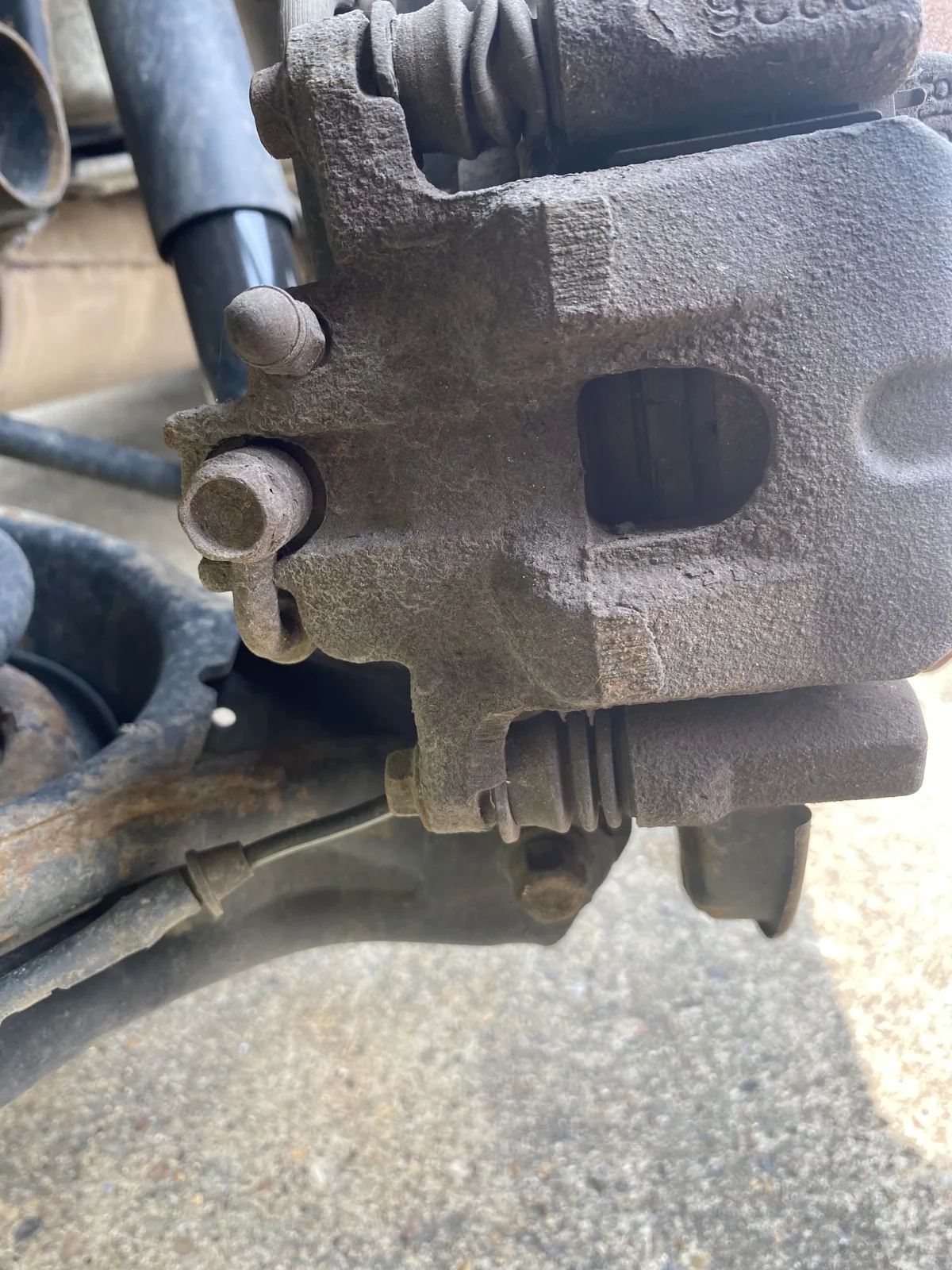
Signs of a Possible Master Cylinder Problem
Common hydraulic brake symptoms we diagnose
(01)
Brake Symptom
Brake Pedal Slowly Sinks
A brake pedal that gradually sinks while steady pressure is applied can indicate an internal hydraulic problem. The master cylinder and the rest of the brake system should be inspected before replacement is recommended.
(02)
Soft or Inconsistent Pedal
A soft, spongy, or inconsistent pedal can come from air in the system, a fluid leak, flexible hose problems, or master cylinder failure. Proper diagnosis helps separate these causes.
(03)
Loss of Hydraulic Pressure
If the braking system struggles to maintain pressure, the master cylinder may not be moving or holding brake fluid properly. External leaks and other hydraulic faults should also be ruled out.
1. Brake Fluid Level
1. Initial Check
Fluid Reservoir
1. Brake fluid level is checked for signs of fluid loss or another hydraulic problem.
1. Low fluid should be traced to its cause rather than automatically blamed on the master cylinder.
2. External Leak Inspection
2. Leak Check
Hydraulic System
2. Brake lines, hoses, calipers, wheel cylinders, and fittings are checked for external leakage.
2. A visible leak elsewhere in the system can create symptoms similar to master cylinder failure.
3. Pedal Pressure Test
3. Operation Check
Master Cylinder
3. Pedal behavior can help determine whether hydraulic pressure is being maintained properly.
3. A pedal that slowly sinks under steady pressure may point to an internal sealing problem.
4. Related Hydraulic Components
4. System Check
Brake Hydraulics
4. Other components are evaluated because air, restricted hoses, leaks, and caliper problems can affect brake pedal feel.
4. The master cylinder should only be replaced when testing supports the diagnosis.
5. Replacement & Bleeding
5. Final Service
Brake Verification
5. When failure is confirmed, the master cylinder is replaced and the hydraulic system is bled as required.
5. Pedal feel and brake operation are checked afterward to verify proper hydraulic pressure.
Mobile Master Cylinder Diagnosis & Replacement
Checking the hydraulic brake system before replacement
What You Get
Mobile master cylinder service from Mokanex
01
On-Site Brake Diagnosis
Mokanex can evaluate brake pedal concerns and hydraulic-system symptoms at your vehicle’s location whenever mobile diagnosis is practical.
02
Hydraulic Leak Inspection
The system is checked for external leaks before master cylinder failure is assumed.
03
Pedal & Pressure Evaluation
Pedal feel and hydraulic pressure behavior are evaluated to help determine whether the master cylinder is operating correctly.
04
Related Component Inspection
Nearby hydraulic and brake components can also be checked when symptoms may not come from the master cylinder alone.
05
Clear Repair Direction
Once the cause is identified, Mokanex can explain the findings and recommend the repair that addresses the actual problem.
06
Convenient Mobile Service
Master cylinder diagnosis and replacement come directly to customers throughout the Pittsburgh service area whenever the work can be safely completed mobile.
Common master cylinder questions
Master Cylinder Replacement FAQ
What Does the Master Cylinder Do?
(01)
The master cylinder converts brake pedal movement into hydraulic pressure that operates the brakes at each wheel.
What Are Signs of a Bad Master Cylinder?
(02)
Common signs can include a pedal that slowly sinks, difficulty maintaining hydraulic pressure, or certain warning symptoms when no external leak is found.
Can a Master Cylinder Be Replaced at My Location?
(03)
Many master cylinder replacements can be completed at a home, workplace, or vehicle location when the hydraulic system can be safely accessed and serviced.
Will a New Master Cylinder Fix a Soft Pedal?
(04)
Not always. A soft pedal can also come from air in the system, leaks, hose problems, or other hydraulic issues. Diagnosis should confirm the cause before parts are replaced.
