
Mokanex inspects a used car at the seller’s location in the Pittsburgh area before you buy, with the seller’s permission, and explains what was found, separating observed defects from items that need more testing. What can be checked depends on access: there is no shop lift on site, and a road test depends on the seller and safe conditions.
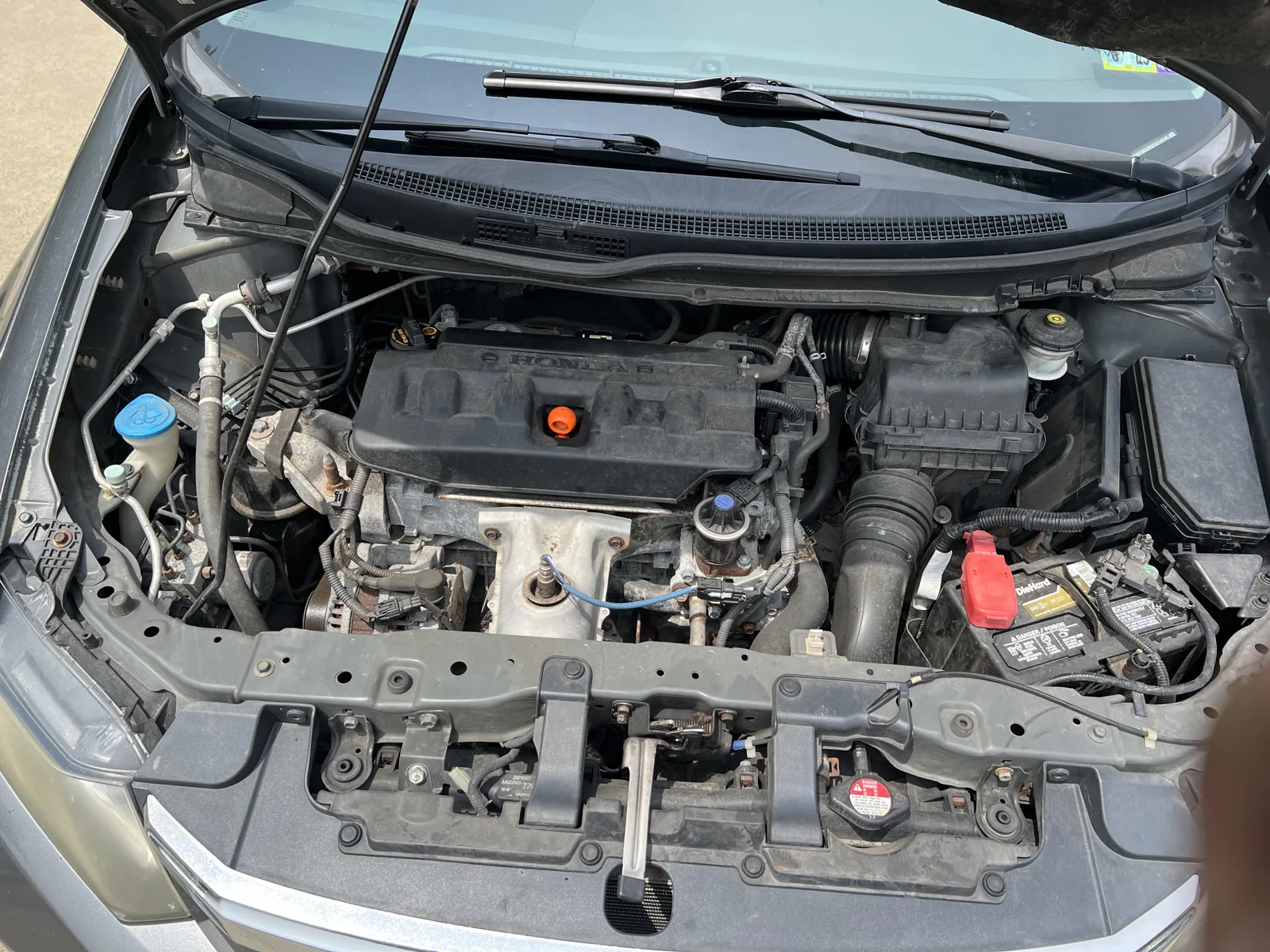
Send the listing and arrange access
Tell us the year, make, model, VIN or plate, seller location and any specific concerns before the visit. Ask the seller for permission to inspect the vehicle and confirm whether keys, a cold start and a road test will be available.
A parked vehicle at a dealership or private property needs a safe work area. Share any restrictions before scheduling so the inspection plan reflects what can actually be accessed.
Understand what an on-site inspection can establish
An on-site review can document visible condition, accessible mechanical concerns and available diagnostic information. Scope depends on the vehicle, access, permission and equipment. An inspection without a lift has different visibility from one in a fully equipped bay.
A road test is subject to permission and safe conditions. Parts are not dismantled without an agreed scope. No inspection guarantees future reliability or reveals every concealed or intermittent defect.
Use the findings to ask better questions
Request clear findings that separate observed defects from items needing further testing. Share any seller statements or previous repair records you want the inspector to consider.
A pre-purchase inspection is separate from a Pennsylvania safety inspection, emissions test, appraisal or warranty. Confirm the requested report and photo scope before authorizing the visit.
If the seller will not let the car leave the lot
Ask the seller which checks they permit: a cold start, a diagnostic scan, photos, or driving on the property. If a road test is unavailable, handling, braking under load and road noise cannot be assessed the same way. Ask that those limits be recorded in the findings.
For a modified vehicle, send the parts list and installation records if the seller has them. For example, a conversion from air suspension to coil springs calls for a look at the visible mounting points and hardware. An inspection from the ground cannot verify every fastener or certify the installation.
Common questions
Can you inspect a car at a dealership or a private seller’s home?
Yes, with the seller’s permission and a safe place to work. Ask the seller ahead of time whether keys, a cold start, a diagnostic scan and a road test will be allowed, and send us any restrictions so the inspection plan matches what can actually be accessed.
I’m buying from out of town. Can you inspect the car for me?
Yes. Send the listing, the year, make, model and VIN or plate, the seller’s location and any concerns, and confirm the seller will allow the inspection. Share any seller statements or repair records you want considered.
Is a pre-purchase inspection the same as a Pennsylvania state inspection?
No. A pre-purchase inspection is separate from a Pennsylvania safety inspection, an emissions test, an appraisal or a warranty.
Can an inspection find every problem?
No. No inspection guarantees future reliability or reveals every hidden or intermittent defect. Parts are not taken apart without an agreed scope, and an inspection without a lift sees less than one in a fully equipped bay. Ask that anything that could not be checked, such as a road test the seller would not allow, be recorded in the findings.
How much does a pre-purchase inspection cost?
It depends on the vehicle, the location and the inspection scope. Call 412-596-5743 or request a quote for exact pricing before you book.